
Reduce energy loss
Less heat radiation means lower operating costs—especially on long pipe runs and in plant rooms.
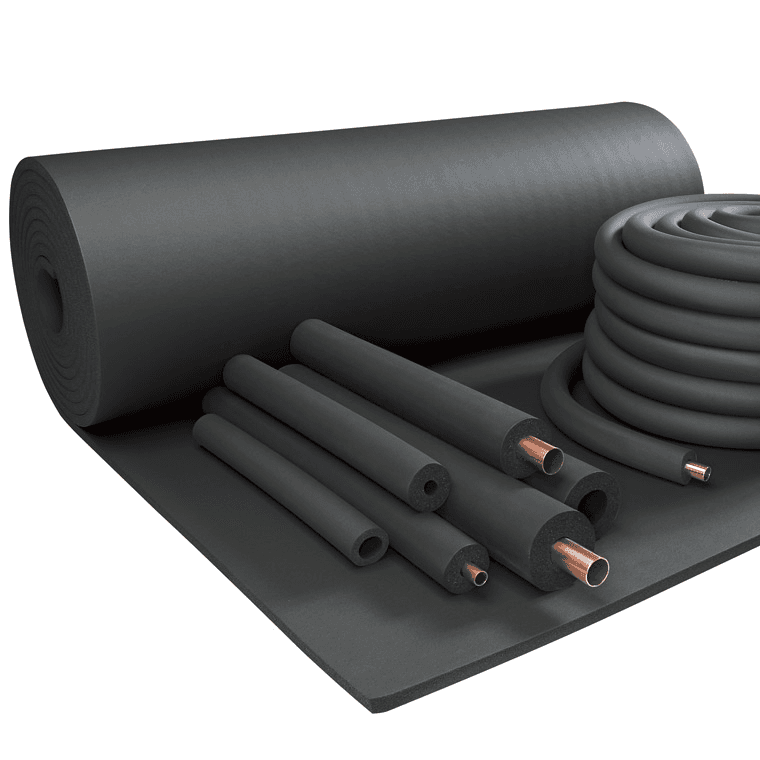
Thermal insulation reduces energy losses, stabilizes temperatures and protects systems. In Aachen and the surrounding area, clean execution is key: tight joints, suitable thicknesses and robust jacketing ensure it performs in day-to-day operation.
Less heat radiation means lower operating costs—especially on long pipe runs and in plant rooms.
Insulation helps prevent overheating of rooms, supports safety and stabilizes processes.
Clear materials, defined build-ups and consistent execution—useful for operators and maintenance.
Valves, flanges, bends and transitions are the critical points—quality shows here.
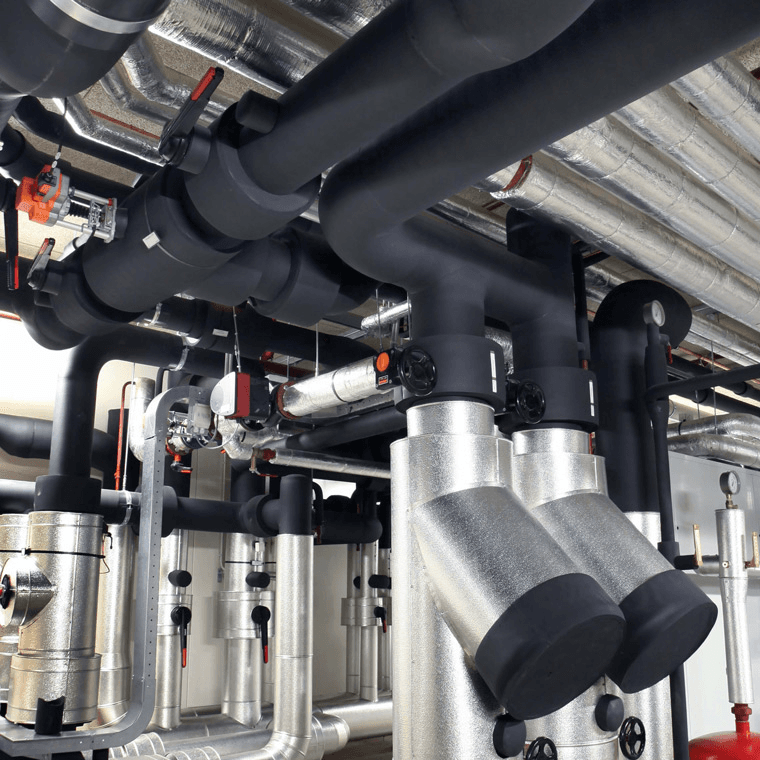
Clean insulation in technical areas
Robust surfaces and tidy transitions keep insulation durable and prevent it from deteriorating in operation.
Typical goals (Aachen)
Depending on building and system, requirements differ for material, build-up and surface protection. These are common in Aachen.
Stable processes, lower losses and safe surfaces—aligned with the operating environment.
Order matters in technical rooms: clean execution, good access and a readable build-up.
Planned cleanly in new builds—retrofitted sensibly in existing buildings without unnecessary loops.
Insulation can be part of a wider approach—e.g., combined with cladding, sheet protection or system details.
We select materials and build-ups based on temperature, environment and use—focusing on clean joints, robust surfaces and execution that performs in real operation.
Material, thickness and surface depend on temperature, line type and installation location.
Clean work at critical points ensures efficiency and durability.
To prevent damage: protective layers and clean edge guidance.
The biggest losses happen at transitions and poorly executed spots. That’s where we focus—clean, tight, durable.
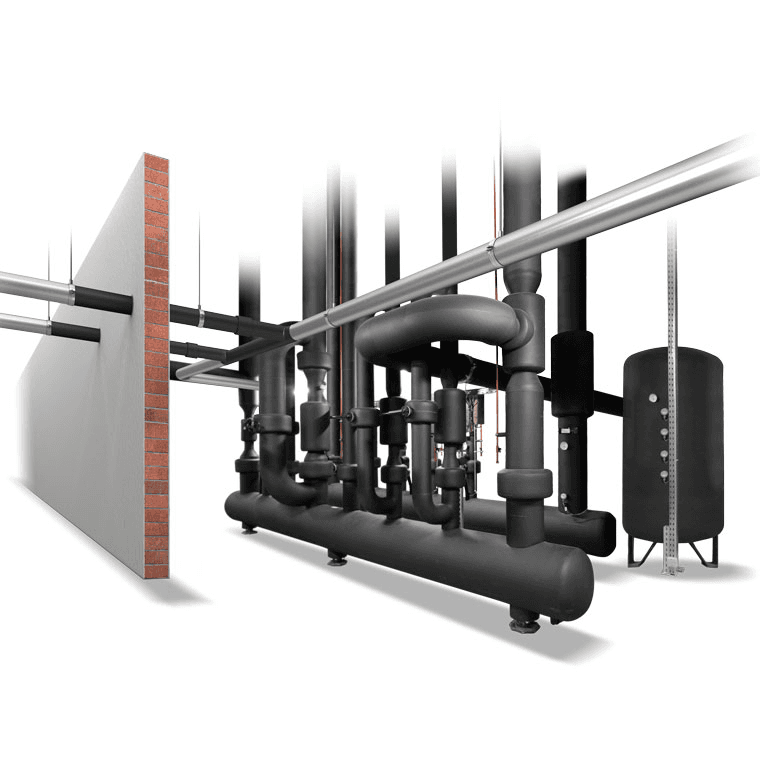
Detail focus instead of quick wrapping
Clean edges, tight transitions and robust surfaces matter in technical areas—especially for later maintenance.
A few details are usually enough to define the right material and build-up—and plan execution efficiently.
Practical tip
A few photos from different angles help a lot. Planning gets faster and reduces questions on site.
What needs insulation (line type, DN/dimensions, temperature range)?
Where is it installed (plant room, roof, shaft, hall)?
Surface requirements (robust, easy to clean, visually neat)?
Any critical points (valves, flanges, penetrations, tight spaces)?
Timing and access (operation, shutdown, construction phase)?
Our focus
Clean build-up. Clean details. Clean operation.
Thermal insulation is not only about material—it’s about consistent execution. We hand over in a way that operators and maintenance teams can understand immediately.

Handover that helps in real life
A clear structure and practical information—so upgrades and maintenance don’t rely on guesswork.
Depending on scope—practical and easy to use.
A standard that matches expectations
We align execution and surfaces so result and expectation match—technically and visually.
Clear handover instead of paperwork chaos
Traceable for operators and third parties
Helpful for audits, refurbishments or operator changes
Common questions—answered briefly.
Tell us what and where you need insulated—we’ll reply with a clear proposal for Aachen and the surrounding area.
Note: images will be replaced to match the texts.