
Condensation water
Moisture on cold lines leads to dripping—especially in shafts, suspended ceilings and plant rooms.
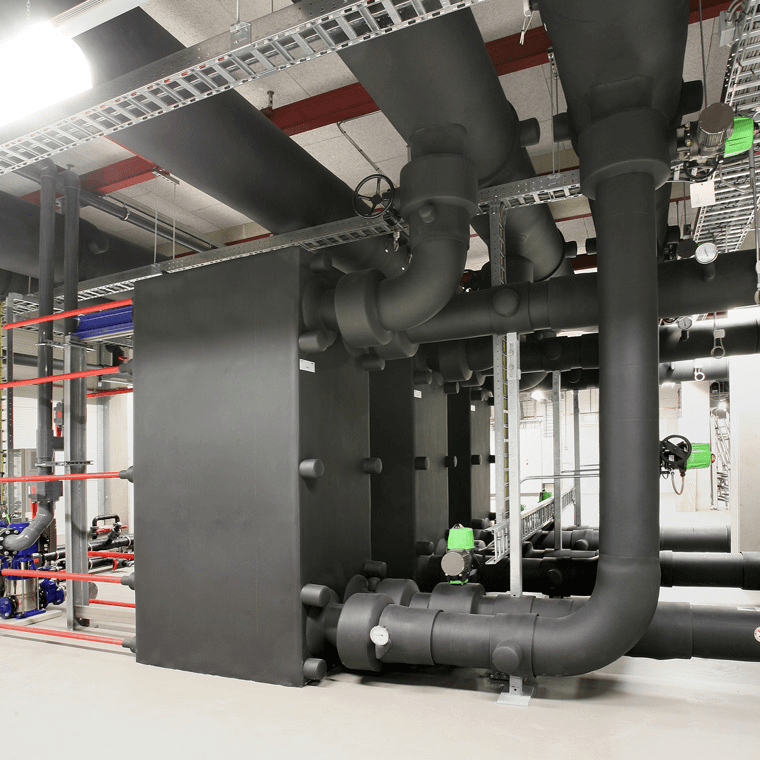
Cold insulation is moisture protection: sealed, clean, durable.
With cold lines, “some insulation” is not enough. The key is a diffusion-tight build-up—otherwise condensation forms and can damage ceilings, shafts and technical rooms.
We deliver cold insulation in Aachen and the surrounding area with long-term sealing in mind—clean joints, proper finishing and service-friendly details.
Leaks often show only later—when damage has already started. That’s why we plan cold insulation as a sealed system from the start.

Sealing at transitions
Bends, valves and edges are the critical points—clean sealing prevents condensation over time.
Typical goals (Aachen)
Moisture on cold lines leads to dripping—especially in shafts, suspended ceilings and plant rooms.
Wrong build-up or interruptions can cause energy losses, icing and unstable operation.
Moisture behind insulation is critical. Sealed execution protects pipes and adjacent building parts.
Clean detailing makes future service, upgrades and modifications possible without tearing everything open.
We focus on diffusion-tight execution, clean finishing and robust surfaces—so cold insulation protects in real operation.
Material choice and layer build-up must match the temperature range and environment—incl. a properly closed vapor barrier.
Valves, bends and flanges are the risk zones—details must remain sealed and service-friendly.
In tight areas, order matters: clean routing, sealed finishing and practical execution.
For long-term durability: mechanical protection and clean edges—adapted to the environment.
Cold insulation is moisture protection. If joints, edges or connections leak, the system loses its effect.
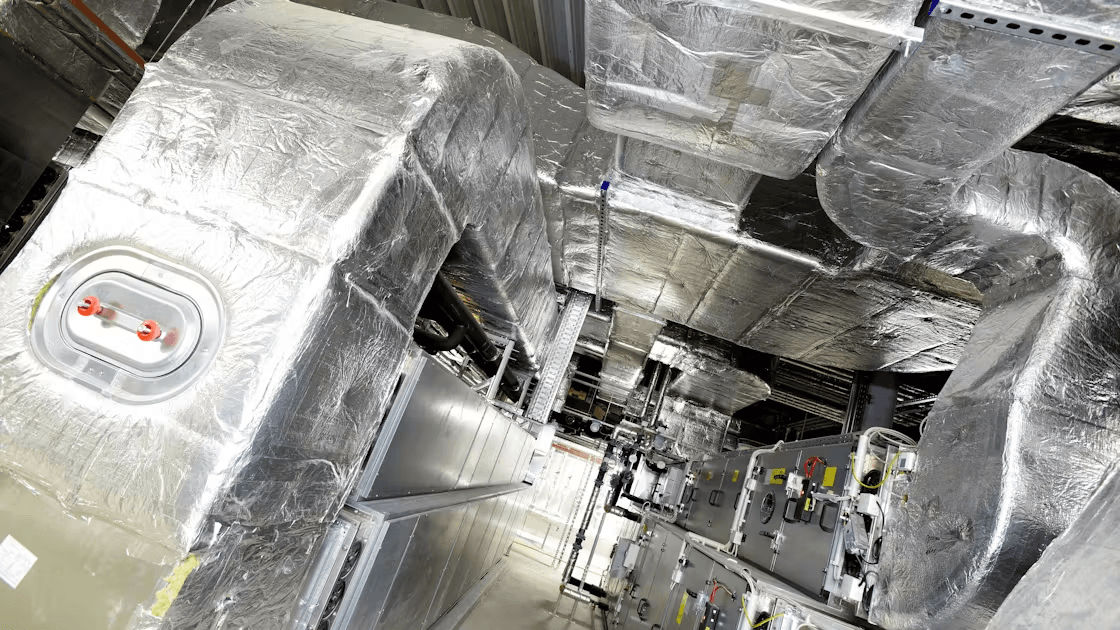
Solve typical risk zones cleanly
Shafts and ceiling areas often decide whether insulation stays condensation-free and avoids damage.
Our focus
Sealed. Robust. Serviceable.
These points decide whether cold insulation performs long-term—especially in technical areas and after later interventions.
Sealed joints prevent moisture ingress. Poor seams are a common cause of later condensation issues.
Service must be possible without destroying the insulation—planned and executed cleanly.
Clear execution helps operation, upgrades and third parties—without guesswork.
Cold insulation stays reliable when maintenance and upgrades clearly understand the build-up and critical points.

Handover with a practical focus
Clear notes on build-up, critical points and zones—so operation and maintenance work safely.
Define zones & pipe routes
Which lines run where and which areas are critical (shafts, ceilings, plant rooms).
Record build-up & key details
Material, layers and relevant transitions—so execution stays understandable.
Maintenance guidance
Where you can open later and how to close properly again—so sealing remains intact.
We hand over in a way that cold insulation can be re-closed correctly after interventions—without condensation consequences.
Common questions—answered briefly.
Tell us where the lines run and which temperature range matters—we’ll reply with a clear proposal for Aachen and the surrounding area.
Note: images will be replaced to match the texts.